
Wallpaper Repair in Tampa, FL
Fix the Damage, Keep the Wallpaper
If a section of wallpaper gets damaged (a scuff, a tear, water from a leak, a piece coming up at a seam), you don't have to redo the whole wall. We work in panels, so in most cases we can replace just the affected piece and leave the rest of the wallpaper exactly as it is.
This matters most with designer and high-end wallpapers, where the original material is expensive and slow to reorder. A clean panel swap saves the room without restarting the whole project.

What We Can Fix
Most wallpaper problems fall into one of three buckets, and we handle all of them:
- Small patches. A torn corner, a scuff, a section that got bumped during a renovation.
- Full panel replacements. When the damage is too big to patch invisibly, we swap the affected panel out and re-cut it to align with the surrounding pattern.
- Seam repairs. Seams that have lifted, separated, or curled, usually because of humidity or an original install issue.
If the damage is from a leak or water event, we'll let you know whether the wall needs to dry out or be repaired before the wallpaper goes back. We won't put new paper over a wall that isn't ready.

What Helps a Repair Go Well
The cleanest repairs happen when we have a few things on our side. None of these are deal-breakers if you don't have them, but they make a difference:
- Leftover wallpaper from the original install. If you have an extra roll or two, the pattern match is exact and the repair is essentially invisible.
- The manufacturer and pattern name. Even if you don't have leftover material, knowing the brand lets us source matching wallpaper or check whether the pattern is still in production.
- How long ago it was installed. Wallpaper colors shift slightly over time with sun exposure. The older the install, the more we may need to blend.
If you have none of the above, we can still help. Sometimes the best fix is replacing one full wall with a current product and treating it as a design refresh rather than a repair.
Why Panel Repairs Work
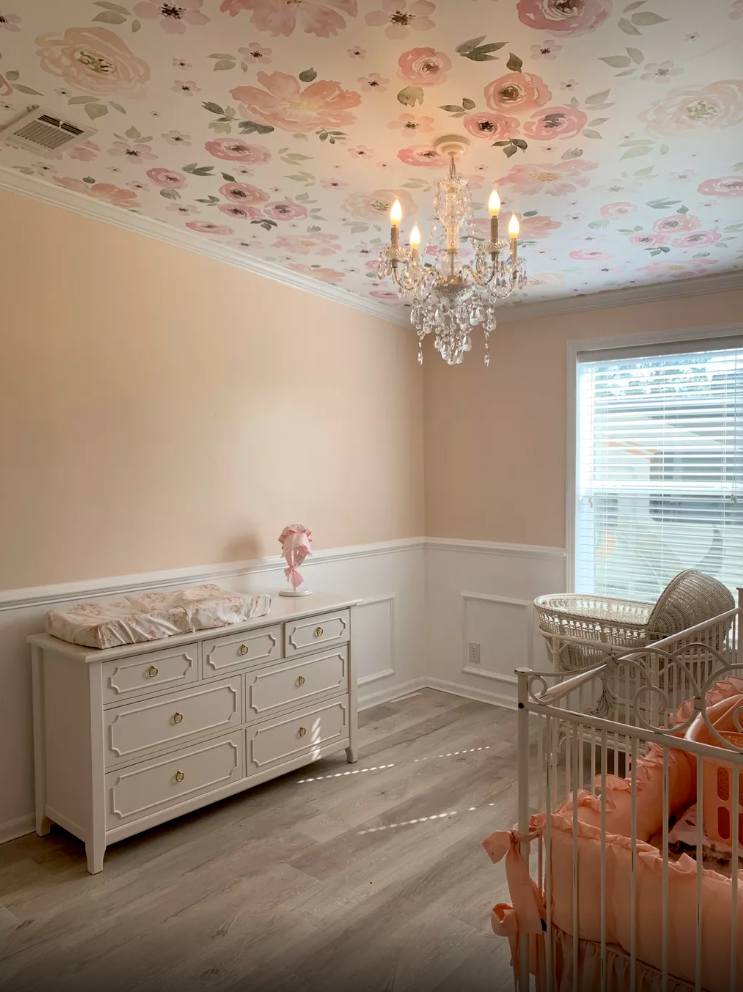
Wallcovering goes up in panels, and that is what makes a targeted repair possible in the first place. Rather than stripping a wall because one section failed, we cut out the affected panel and replace it, re-cutting the new piece so the pattern aligns with everything around it.
On designer material the arithmetic is obvious. The original wallcovering is expensive, reorders run slow, and there may not be enough of the original dye lot left to redo the room even if you wanted to. A clean panel swap saves the wall without restarting the project.
How long a repair takes
Most single-panel repairs are a half-day or less. Larger repairs depend on access, on how many panels are involved, and on whether the material has to be sourced first, which is usually the part that sets the timeline. You get a clear schedule at the on-site visit.
Water Damage and Seam Failure
If the damage came from a leak or a water event, the wall has to be dry and any underlying damage addressed before new material goes anywhere near it. If the drywall behind the wallcovering is compromised, that gets handled first. We can coordinate the drywall work or come in behind your contractor once they have finished, whichever is cleaner for your schedule.
What we will not do is put new paper over a wall that is not ready. That failure comes back within months and takes the new material with it, which turns a repair into a replacement and wastes whatever was left of the original run.
Lifted and separated seams
Seams that have lifted, separated, or curled usually trace back to one of two causes: humidity, or something in the original installation. Florida supplies plenty of the first. Either way the fix falls into the same category of work, and we repair wallcovering regardless of who installed it originally. Bring us the wall as it is and we will work with what is there.
What the Finished Repair Looks Like
With matching material, a clean panel swap is usually invisible from a normal viewing distance. Up close you may be able to find where the seam aligns, but that is true of any wallcovering install, brand new ones included. We aim for a result you would have to point out before anyone noticed it.
When the pattern is discontinued
If the pattern cannot be identified or is out of production, a full panel match is not realistic and we will tell you that rather than attempt it and hand you something close but wrong. The usual alternative is replacing one complete wall with a current product and treating it as a design refresh instead of a repair, which reads as a deliberate choice rather than a patch.
Repairing peel-and-stick
We can, but we are upfront that peel-and-stick repairs are harder to make invisible, because the original adhesive behaves inconsistently from panel to panel. In many cases replacing the affected piece with a traditional paste-installed panel gives a better long-term result than matching the original failure mode and waiting for it to happen again.
Installs we did not do
Most of the repairs we are called into were installed by somebody else, often years ago, and that is not a problem. We do not need to have hung the original material to fix it. Bring us the project as it stands.