
Wallpaper Removal in Tampa, FL
Remove It the Right Way
Old wallpaper rarely comes off easily. Most of the wall damage we see on jobs happens during a removal that wasn't done properly, and it shows up later when new paint won't stick or a fresh wallpaper install won't bond cleanly.
At Pro Wallcoverings, we remove existing wallpaper using heat removal, then prime the walls so the surface is actually ready for whatever is going on next. Repaint, new wallpaper, or a clean smooth wall on its own. The goal is the same: leave the wall in better shape than we found it.
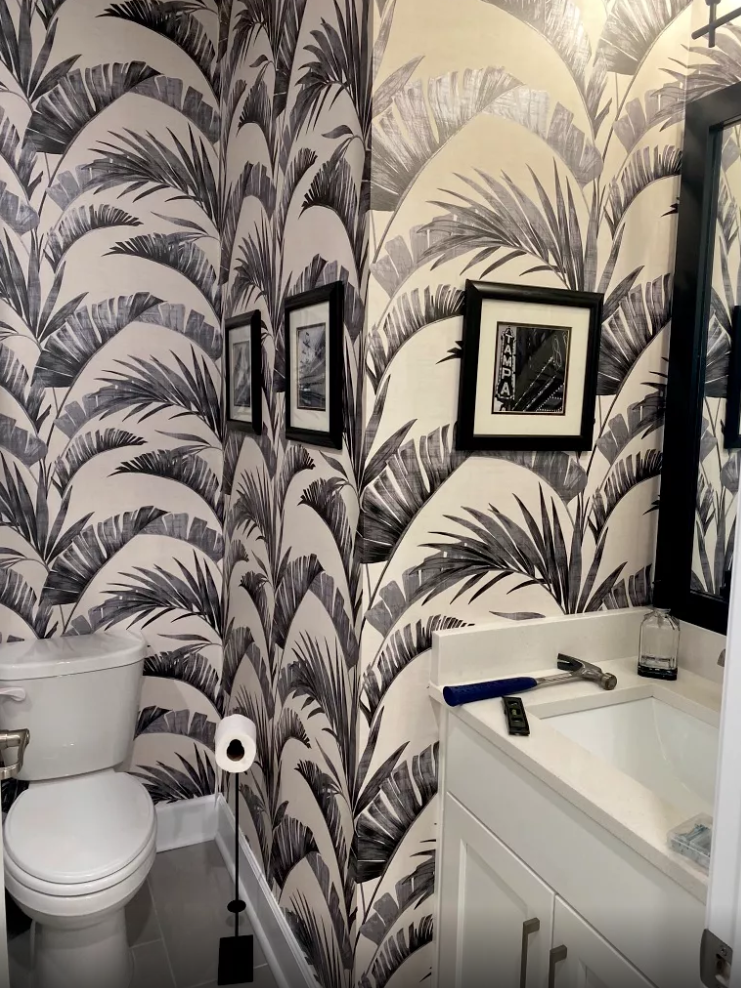
What We Actually Do
Every removal job is a little different, but the process is consistent:
We start by checking what's on the wall. Older vinyls, paste-the-wall papers, and prepasted papers all come off differently, and we adjust the approach to match. Heat is our main tool. It softens the adhesive without soaking the drywall the way a steamer can.
Once the paper is off, we wash the walls to get the remaining adhesive residue off, and we prime properly. That priming step is what most DIY removals skip, and it's the reason new paint flashes or new wallpaper bubbles a few weeks after the install.
When we leave, the walls are smooth, sealed, and ready for the next step.

Why DIY Removal Causes Most of the Damage We See
We've been called in to fix walls after a homeowner tried to pull old wallpaper off themselves. By the time we arrive, the drywall paper is usually torn, the adhesive is dried out and patchy, and the only way forward is repair work that costs more than the original removal would have.
The two most common DIY mistakes:
- Pulling paper off dry, which tears the drywall facing underneath
- Skipping the priming step, so new paint or wallpaper won't bond
If you've already started a removal and hit a wall (literally), call us. We can pick up from where you stopped.
What Is On the Wall Changes the Job
Different wallcoverings release in completely different ways, which is why the first thing we do is work out what we are actually dealing with:
- Older multi-layer wallpaper is the slow one. Where a previous install went straight over the last one, each layer has to come off in turn, and there is no way to shortcut it.
- Prepasted and paste-the-wall papers respond well to heat and generally release in larger sections.
- Older vinyls behave differently again, and we adjust the approach to match rather than forcing one method across every wall in the house.
- Peel-and-stick comes off easier than traditional wallpaper, but the wall underneath usually needs more cleanup than people expect because of the residue the adhesive leaves behind.
How long it takes
Most single rooms come down in a day. Larger spaces and older multi-layer work take longer. You get a clear timeline at the on-site quote rather than a guess over the phone, because until someone has seen the wall nobody can tell you honestly which of the above you have.
What You Are Removing It For
The end goal changes what the wall needs before we hand it back, and it is worth deciding early rather than halfway through.
Repainting
The wall needs to be washed clean of adhesive residue and primed before paint goes anywhere near it. Skip that and the paint flashes across the patches where old adhesive is still sitting, which is a problem that only shows up once the second coat dries and the light hits it.
New wallcovering
If new material is going up, we can often handle the removal and the install in the same project. Depending on the condition of the wall underneath, we may recommend a Level 5 skim coat in between for the smoothest possible surface, and we do that in-house, so it does not mean adding a drywall sub and a second schedule.
Painting straight over the wallpaper instead
You can, but we do not recommend it. The seams telegraph through the paint, and any moisture in the room can lift the wallpaper underneath and bubble the whole surface. It reads as the cheaper option right up until the point where you are paying to remove painted wallpaper, which is a harder job than removing it was in the first place.
Priming Included
Priming is part of every removal we do. It seals the drywall and locks down residual adhesive so the next finish has something stable to bond to.
Repairs Handled in Prep
If walls come up with torn drywall facing, we handle that repair as part of the prep before priming rather than covering it over.
Across Tampa Bay
We regularly work across St. Petersburg, Clearwater, Sarasota, and the surrounding Florida communities. Send your address and we will confirm.